
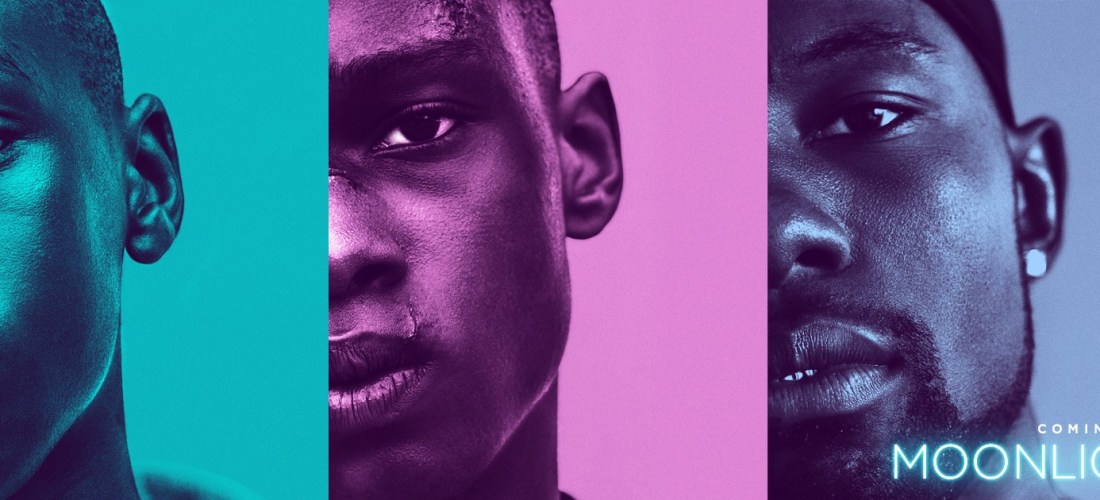
There is probably not a lot I could say about Moonlight (2016) that would be new. Its critical acclaim is vast and comprehensive, as exemplified by its 2017 Oscar for Best Picture (we’ll ignore the La La Land snafu for now…) so you don’t need me to sit here and write about why this is such an incredible film. But I’m going to do it regardless because this film deserves endless applause.
It took me an embarrassingly long time to finally watch Moonlight. It was the classic situation where there is so much build-up, so much hype for a film that it gets to a point where you become too afraid to actually see it, in fear that it will never be able to live up to the incredibly high standards you have established in your mind from word of mouth. But I decided to take the risk and watch it after years of waiting and I can safely say that I did not experience even a pinch of disappointment. I cannot thank Barry Jenkins enough for portraying a character we so rarely encounter in cinema. Moonlight is a masterpiece that reflects the intricacies of a true experience, an experience that is extremely nuanced and hardly ever represented on the silver screen. The film seems to bleed authenticity. Somehow so painfully realistic whilst simultaneously hyper-stylised, this piece depicts both the mundane and the extraordinary experiences in life, experiences that are so personal to the individual and yet collectively felt at the same time.
Jenkins depicts the classic three act structure of life: childhood, adolescence and adulthood. This holy trinity is by no means new and yet feels so reinvigorated and refreshing in Moonlight. The progression of Little/Chiron/Black is symbolic, realistic and aesthetic. But ultimately it is tragically sweet. A lost boy becomes a lost man, slowly finding his way towards his truth – a journey we all must eventually embark upon in life. The film demonstrates how we carry both our demons and our gods with us – that which we fear and that which we idolise come to be the very tenets that define our identities. For Black, his identity is profoundly intersectional. Growing up lower-class, black, gay and fatherless, Little/Chiron/Black is born into adversity as life continues to attempt to trap him within rigid labels, social categories and expectations. As long as he struggles to find the parallels between each of the intersections of his being, he will remain fragmented and broken. He must accept each individual part of himself before he can accept and love the whole.
Far beyond being a beautiful, captivating bildungsroman, this film is a journey of self-discovery that deviates so wonderfully from every other coming-of-age title. While watching it, I was in a constant state of awe as a result of the aesthetic cinematographic choices, emotionally stimulated by the operatic, often polyphonic sound-score and on the verge of tears from the ‘realness’ that burst from every line and facial expression. “I cry so much, sometimes I feel like I’mma turn into drops,” Chiron said, after which his friend, Kevin, says, “and just roll out into the water, right?”. These two lines alone effectively summarise this film’s heart. Growing up, finding ourselves, navigating our messy, complicated world are such difficult experiences that so often leave you feeling helpless and alone, a mere element of the Earth that will be consumed and re-introduced into the earth, air or water. Jenkins subverts so many pre-conceived notions of masculinity, showing us that men can be as nuanced, gentle, emotional and expressive as any other. I can’t count the number of stereotypes deconstructed in Moonlight. And it is about damn time cinema attempted to veer away from archetypes and tropes.
Visually and auditorily soothing, Moonlight is brilliantly therapeutic for any viewer. Its gentle pacing and structured form encourages you to take its hand as it guides you along the life of a troubled, yet gorgeously unique and multifaceted man. Through learning about Little/Chiron/Black, you learn about yourself and who you were as a child, as an adolescent and now as an adult; which demons and gods you have carried through into maturity; how layered your own identity is and how those layers intersect. We struggle alongside Little/Chiron/Black and in doing so we become united. We become a strong, nuanced collective. We persevere. We grow.
 Nell's Little Shop of Horrors