Malevolent: Playing with Matches for Adults

Blog

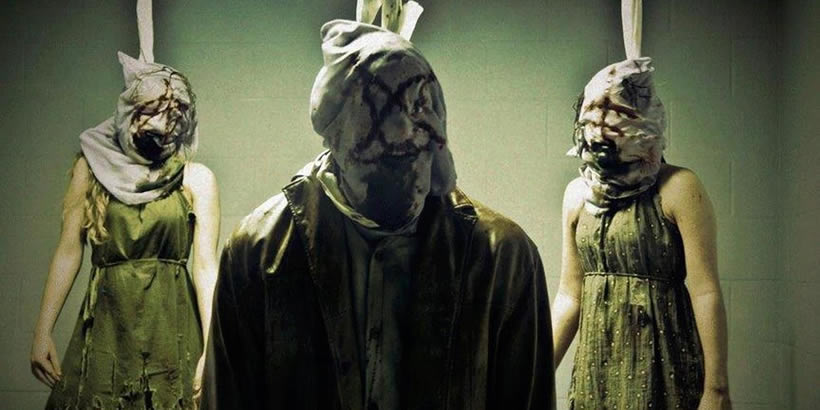
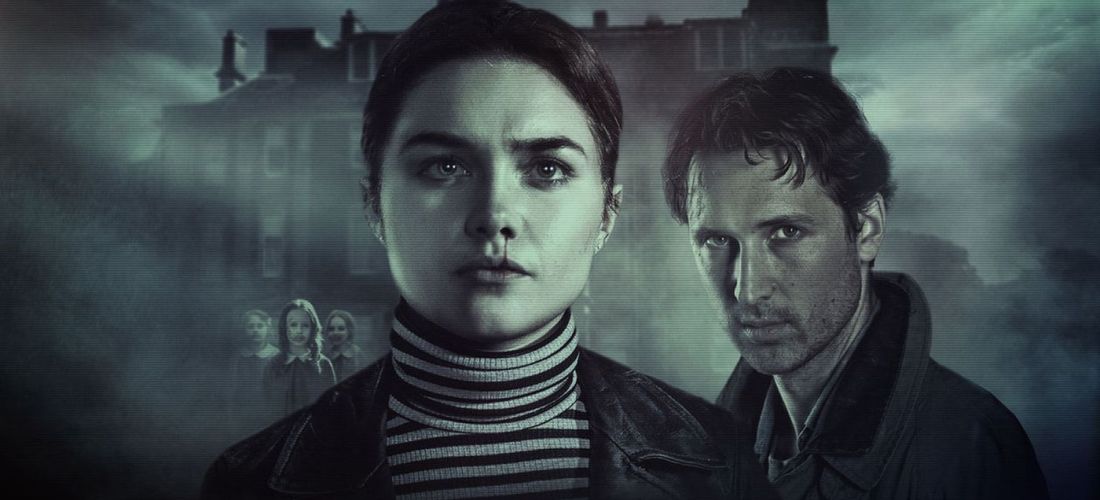
Malevolent (2018) surprised me. A pleasant surprise. Netflix is not necessarily known for its bone-chilling, goosebump-enducing original horrors. You just need to think of The Open House and Tau to understand this. But every now and then they seem to pick up a story that is worthy of enticing an audience and they actually manage to execute it well. Alongside films like Gerald’s Game and Hush, Malevolent left me if not euphoric then at least satisfied.

A strong beginning, a decent climax and finally an unfortunate decline – not the most spectacular three-act structure, but it will adequately entertain you during a relaxed, ‘no pressure’ kind of evening. The beginning of the film prepares you well for the rocky road ahead. The shaky hand-held camera creates ample discomfort and instability within the viewer. It feels as if we, the audience, are watching the story unfold from the lens of our own video camera, as if we are living the movie and experiencing the diegesis physically and emotionally.

The calculated, limited use of jump-scares allows for those that do occur to be sufficiently frightening. Olaf De Fleur shows sweet restraint, something that so many horror films tend to lack. Instead of confronting the viewer with a myriad of horrific spectacles head-on from the very beginning, Malevolent only shows you aspects, fragments, hints. What is left just outside of the frame happens to be so much more terrifying when left to our own imagination than when explicitly shown on-screen. Seeing a rapid glimpse of a pair of lips crudely sewn together gives me shivers. When paired with a tasteful setting, classy performances by both Florence Pugh and Celia Imrie, and a plot that plays out on its own with minimal exhausting explanation, this film ticks enough boxes.

Then comes the ending. It’s fine for all intents and purposes. It wraps the film up adequately, crossing the t’s and dotting the i’s. Yes, you see it all coming from a mile away but that doesn’t detract from the fun you have had getting to the final act. However, it transitions from psychological/supernatural horror to torture porn. It is easy to mistake the queasiness you feel from the blood and guts for terror, but all you really feel is sick. This is a somewhat disappointing ending to a film that seemed to promise more. Subverting where you were originally made to think the true evil lay was not enough to forgive this film for its lacklustre ending.

Malevolent is not a film oft spoken of in horror circles and it definitely is not one to write home about. But it gets the job done all the same. Don’t play around with forces beyond your comprehension and always question first impressions: age-old morals that have been shared before but still fit comfortable within the horror tradition and Malevolent itself.
Eli: Who Let the Devil Out?

Blog

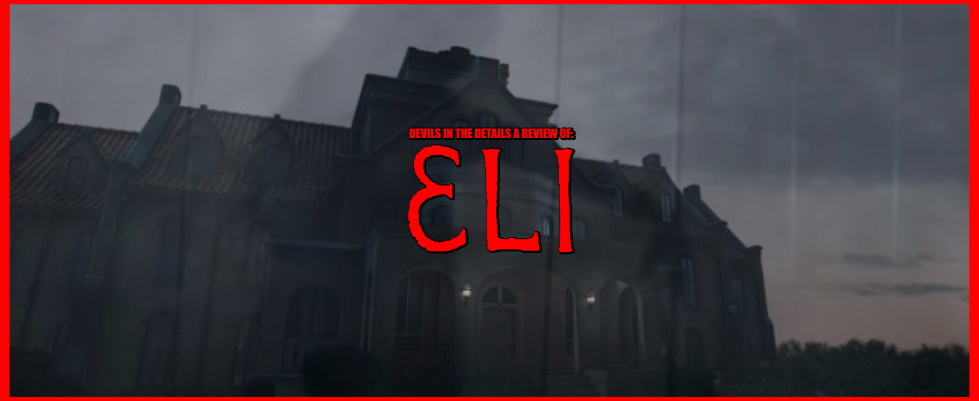
Eli (2019): a promising beginning and a severely disappointing, forced ending. While watching this film, I was at times painfully aware of the time constraints I presume they were under during production. It was as if they began feeling relaxed, confident and certain of their plot points. The themes were consistent, the style grew and evolved with the characters and the progression of suspense was genuinely well-paced and goosebump-worthy. But then by the end of the third act, it’s like time ran out and a good deal of the budget remained. So they scrambled, like panicked mice in a testing facility, to complete the denouement and needlessly spend what was left of the budget. Little time and swathes of money never bodes well, at least not in the world of cinema.

Beginning as an intriguing narrative and potential social examination into stigma surrounding rare immunological diseases, Eli had me hooked. I genuinely enjoy psychological thrillers/horrors that create something deeply disturbing out of something as ubiquitous as the human body. Unlike a zombie flick, these ‘disease horrors’ terrify the viewer of what could lurk within your very own skin and what lies behind certain ‘state of the art’, newfound treatment methods for rare conditions. Call me Girl Interrupted if you need – I will never get enough of films that make you feel uncomfortable in your own anatomy. So when little Eli is introduced as having a strange, sparsely explained autoimmune disorder and that he’s being sent to an isolated, creepy manor in the countryside to have it treated, I was on-board.

The setting, though by far not a pioneer of its kind, is effective enough. Replete with dark corners, heavy materials and furniture that seem to suffocate each cavernous room and constant dreary weather (bless the pathetic fallacy), it is a classic haunted house ready to be played with. Add it being a weird, non-official hospital for children to the mix and I am already sufficiently creeped out. The haunting itself – moments of sheer fright when you finally catch a clear glimpse of the various sinister, deteriorating ghost children in mirrored surfaces – is controlled and limited. Director Ciaran Foy doesn’t give you the chance to become desensitised to just how grotesque these spectres look and it is always done in a slightly different way (behind a curtain, in a mirror or completely out of frame – you merely see the dreaded consequences of their presence), so you’re kept on your toes.

All good so far, yes? I was convinced that Eli just finally a horror (and a Netflix one at that!) that wouldn’t try to hold your hand through the storyline, painfully explaining each twist and turn at length. I loved trying to work out why the apparitions were flipping his name, ELI, into ‘LIE’ (or, as later revealed, the number 317), what the deal was with the insidious-looking nurses and head-doctor (kudos to the fact that they were all women though – women doctors need more representation) and what exactly was going on with Eli’s disease (because so little was ever actually properly explained and the father seemed shady about it throughout). Sadly, it turns out that it isn’t just the viewer who sits there not knowing how it’s all ultimately going to pan out. The creators clearly had no clue either. All of a sudden, within the space of about 5 minutes, the film goes from being an interrogation into the psychological condition combined with the physical condition of a young child and what that does to their family dynamic to a movie about the devil. That’s it. The devil. No other explanation.

Talk about an easy out. Instead of extending the truly interesting and unique aspects introduced earlier on, they give up and decide to blame all the strange goings-on on Lucifer because he is, after all, the easiest person to blame since he is evil incarnate. It erases all elements of emotion, individuality and humanity from the plot. And that just isn’t scary. It becomes a cliche, cringe-worthy teenage movie where two young kids leave a burning building behind feeling badass for no good reason at all.

If you want to watch a movie about the devil’s child, go watch The Omen. Or if you want to watch an interesting, one-of-a-kind horror, watch Eli but make sure to stop it approximately 20 minutes before the end. Just as we all need to redirect our attention and blame back onto our own collective faults in society at large today, horrors need to stop using the devil-card and begin considering just how terrifying we humans can be.

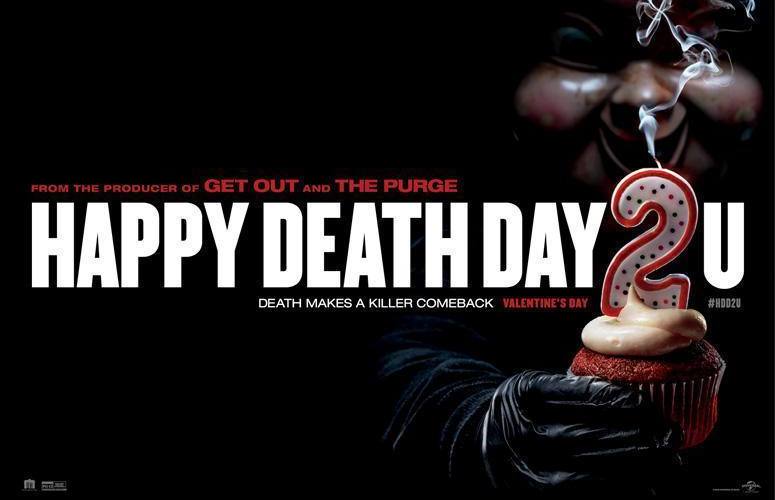
Happy Death Day 2U

Blog

Well it’s back – again and again… And again. The film that depicts just how persistent death can be returns in this enjoyable, light-hearted sequel to the original Happy Death Day (2017). I initially expected Happy Death Day 2U (2019) to comfortably fall into my ‘terrible movie sequels’ category which has, over time, expanded to become a gargantuan black hole of regret, frustration and disappointment (mainly looking at Sinister 2 for this one…). But I am happy to report that not only did this comeback maintain my attention throughout its entirety, but it also had me excited for each twist and turn – and trust me, there are a lot of them.

Happy Death Day 2U isn’t your typical horror, replete with ghosts, ghouls and frights. It’s more of slasher comedy, verging on horror satire, if you will. What separates the sequel from the original is its ability to transcend one stock-standard genre, dipping its greedy fingers into a range of generic conventions and plot devices. Enter science-fiction, slapstick comedy, romantic plot points and surprisingly heart-wrenching moments of family drama. Tree (her name is one of my main pet-peeves in this franchise – I’m all for unique names, but not a fan of the whole inanimate object spiel like ‘apple’ or ‘blanket’) must properly delve into the loss of her mother and her changed family dynamic as she is confronted with an alternate reality where her mother has survived. The idea alone is enough to make a sensitive soul like myself well up a bit, but the way they manage Tree’s progression from relief/utter joy to confusion to hesitant acceptance is actually quite tasteful and realistic. That relationship is a strong emotional backbone to the otherwise ludicrously fun and ridiculous action and drama.

Now, I must admit that my shocking lack of science knowledge probably helped me to sit back and blissfully enjoy this movie. I admittedly am not an expert when it comes to alternate dimensions, time loops, parallel universes, yadda yadda yadda, and anyone that is could probably find a million things wrong with this film. But I appreciate their attempt to broaden out this otherwise shameless knock-off of the classic Groundhog Day. Happy Death Day 2U springs itself off the back of other existing pieces and really comes into its own space by playing with a variety of emotions, styles, pacing and genre. It was a risky move on their part, but one that I believe they more or less pulled off.

Although the ‘scare-appeal’ of the baby-masked killer is predominantly lost by now (thank you, desensitisation!), it still manages to maintain a snappy pace, build suspense through the constant twists from the first rendition and flesh out the secondary characters that we didn’t really get to know before. I also think that Tree (played by Jessica Rothe) was hilarious with her well-acted desperation, moments of apathy and general ‘pissed off-ness’. Was some of the comedy slightly forced and cliche? Yes. Could it have been a lot scarier? Sure. But did I leave feeling as if I had wasted nearly two hours of my life? Absolutely not. This movie is a lot of fun, it keeps you on your toes and you can’t help but laugh along at the quippy montages, refreshingly contemporary soundscore and its unapologetic ‘all in’ attitude.

Last Shift: Puts my job into perspective

Blog

Last Shift (2014) is the first film to keep me up at night for a very long time. Somewhat obscure and arguably underrated, this psychological/supernatural horror is replete with anxiety-inducing suspense, tasteful jump scares and an endless creep factor. A simple concept executed, dare I say, exquisitely.

Rookie cop Jessica Loren is tasked to guard the old, deserted local police station overnight while she waits for the biochemical hazard team to arrive. Her first shift most likely becomes her last shift; however, as strange occurrences begin to rapidly increase in frequency and intensity until she is trapped within what would feel like Hell on earth.

The first round of applause I give to this film is for their choice of antagonist. Rather than the run-of-the-mill, cliched devil narrative, this film takes the cult route. Lucifer, Beelzebub or Satan don’t feature in Last Shift. We are instead met with the King of Hell, Paimon – a figure that has not appeared in a huge number of horrors so far – and his dedicated, murderous following. This movie reminds me of just how vast and complex stories of Hell and the underworld are. Usually I would love to delve into the analytical side of a horror, interrogating its social commentary, but I can’t say that I sensed any profound moral message here. I think this film was made purely to terrify, to curdle your blood, to make you feel unsafe. And sometimes that is ok. As long as it is aware of what it is and what it has set out to do, a movie does not need to be anything more. Make me shudder consistently for an hour and a half and leave unable to erase certain disturbing images from my mind and I’ll classify you as a successful ‘scary movie’. Last Shift definitely did that.

The lighting of this film was enough to pull me out of my comfortable reality immediately. The clinical, white lighting that inevitably begins flickering and eventually shuts off altogether is a classic horror convention, but it works every time. Bright, almost blinding, hallways connected to pitch-black rooms creates an atmosphere of uncertainty and suspense. You are constantly watching the dark spaces within the frame, waiting to see something shift and give away its presence. Even the setting location itself automatically makes the audience feel uncomfortable. Officer Loren is like a mouse trapped in a maze, a defenceless and isolated creature that becomes a pawn in a supernatural entity’s games. As the viewer, you feel as enclosed as Officer Loren is – the hallways seem endless, no door seems to lead outside, every wall seems to begin closing in as the film progresses. Ironically, she becomes a prisoner in her own jailhouse.

I must also commend the film for its physical effects and costume design. The true horror of the Paymon family and their unfortunate victims’ fate are slowly, progressively revealed to us. The physical nature of the terror ramps up as you are confronted with blood on walls, blown off heads, disturbing scarification, terrifying beaten, decaying faces. I was equally horrified and disgusted watching this film and the King of Hell’s serpent-like eyes were seared into my mind for the entire night thereafter. Subtle and infrequent at the beginning to intense and overwhelming by the end, you really do lose your own grip on reality alongside Officer Loren.

I am, however, like a truffle pig for film flaws. And this movie certainly does not come without any unanswered questions. Forcing a newbie cop to guard a police station that is rumoured to be haunted and is known to have a severely troubled past seems quite unrealistic to me. I also think she is far too committed to the role. It took way too long for her to properly confide in her supervisor and I personally would have been out of there after the second strange sighting. Who possibly could have written ‘sow’ in what looks like blood right above your head without you noticing?? Obviously something serious was happening from the get-go and yet she stuck around for hours before showing genuine concern. I know that police officers are meant to be brave and independent and all, but please. No one is that brave.

If you’re looking for a horror that requires no real thought – a film that will just serve you screams and discomfort – then I definitely recommend Last Shift.

The Curse of Chucky: He’s Back… Again

Blog

When I was a kid, I literally could not even look at the DVD covers for the Child’s Play movies without getting vivd, intense nightmares. The mere sight of Chucky on a two-dimensional box literally made my skin crawl. There is just something about dolls in horror that terrifies me – I think it’s the uncomfortable juxtaposition between the innocence and joy usually associated with a toy and the demonic abjection of horror. Combing the two just never sat quite right with me and that’s the exact reason why I have refused to this day to watch the Annabelle franchise. I decided to make an exception for the original Child’s Play though because it has developed a kind of cult following over the years and I tend to have bad FOMO. As soon as I watched the original, I was utterly hooked. I haven’t gone back since.

I have now seen nearly all of the Child’s Play and Chucky films, excluding Cult of Chucky (2017). The films honestly get more and more ridiculous as they progress and I choose to believe that this is entirely intentional. The first few films really hone in on the whole anti-capitalism motif. They more or less spoon-feed you social commentary along the lines of, “hey, look at all these people going absolutely nuts over an inanimate doll. It’s just an object, why has it triggered your consumer fetishism to such an extreme degree?”. They then proceed to externalise the dangers of thoughtless consumerism as people’s greed and mindless spending manifests itself into a murderous, deranged doll out to do nothing but kill. Perhaps slightly obvious and patronising, I still thoroughly enjoy it, focusing instead on the hilarious vintage special effects and the sheer obscenity that is Chucky. I would sit in front of a screen watching a terribly CGI-d doll swear at a young kid for hours on end and never tire.

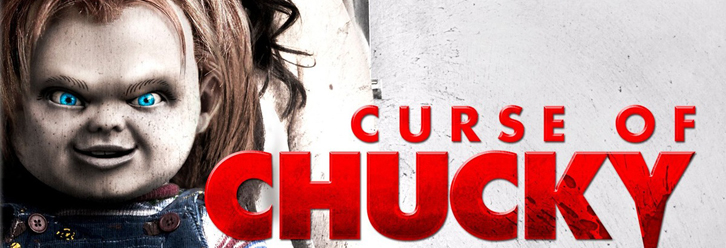
Now this anti-capitalism message does subside slightly as the franchise grows. By the time you get to Curse of Chucky (2013), it has pretty much evolved into your classic ‘haunted object terrorises a family’ spiel. Watching this film, I did find myself missing some of the nuances of the earlier pieces. Perhaps it’s because I can only ever really visualise Chucky in the ’80s or early ’90s and so anything more contemporary just feels slightly out of place now. Or perhaps it’s because I need some sort of moral to the story for it to seem worthwhile? Either way, Curse of Chucky did come across as a bit of a quick-fix, money-grab endeavour.

The entirety of the film is shot in one location – the Pierce’s house – so you do become relatively sick of the same scenery scene after scene (especially because the house is very drab, dark and monotonous in its colour scheme). It begins by getting straight into the thick of the action with the murder of the Pierce mother. I understand that many horrors decide to begin the film with a suspense-filled scene containing murder shrouded in mystery because it effectively draws in the audience. However, usually proper exposition and character development follows this. I hate to say it, but Curse of Chucky contains no character development whatsoever. You never get to examine the proper identity, flaws or strengths of any of the figures so you couldn’t care less when they die. Chucky was introduced too early on and the plot became too focused on where the bloody doll is disappearing to every second that the life-force, the human side of the film is forgotten. You may as well go on YouTube and search for each death scene. By the time you’ve watched those clips, you have basically seen the whole movie.

Although I was very glad to see that they did not attempt to improve the way Chucky moves with modernised special effects (I literally live for the way Chucky runs – his feet and legs don’t actually move or bend, he just sort of angrily waddles), I felt like the true integrity of the Chucky films was lost. I understand that director Don Mancini tried to link it back to the Child’s Play universe by showing us through use of flashback that Charles Lee Ray knew the Pierce family and that the Pierce mother was partially the reason he was caught by the police. But this connection felt so extremely tentative and weak. It was far too fragmented and random to fit into the original narrative of Charles’ death and it made Charles out to be this nutty family man? Didn’t work for me.

I would be remiss to write about this film and not mention the fact that in one of the first scenes, Nica Pierce (the disabled woman in a wheelchair) is seen literally standing upright at her mother’s door. You can’t technically see her legs in the frame, but it is so obvious that she is not sitting in her chair. I am pretty sure this was a filming mistake they were too lazy to rectify or just somehow didn’t even notice. And finally, the ending. The ending was just unnecessary. It could have ended well before the re-introduction of Chucky’s bride, Tiffany, and well before the ambiguous scene where Chucky tries to take over the body of little Alice. It all felt like a desperate attempt to relate back to the original storyline in the last two minutes.

I will keep watching any Chucky film they make because who wouldn’t laugh at a disturbing child’s doll that swears and has unexplained super-human strength? I also will never get enough of his little duck waddle. But let’s bring back some actual plot, shall we? Let’s not reduce Chucky to just an angry doll that kills. He’s so much more – he’s an angry doll that kills and the symbol for the dangers of capitalism… If you want.

The Babysitter: The Devil’s a Joke

Blog

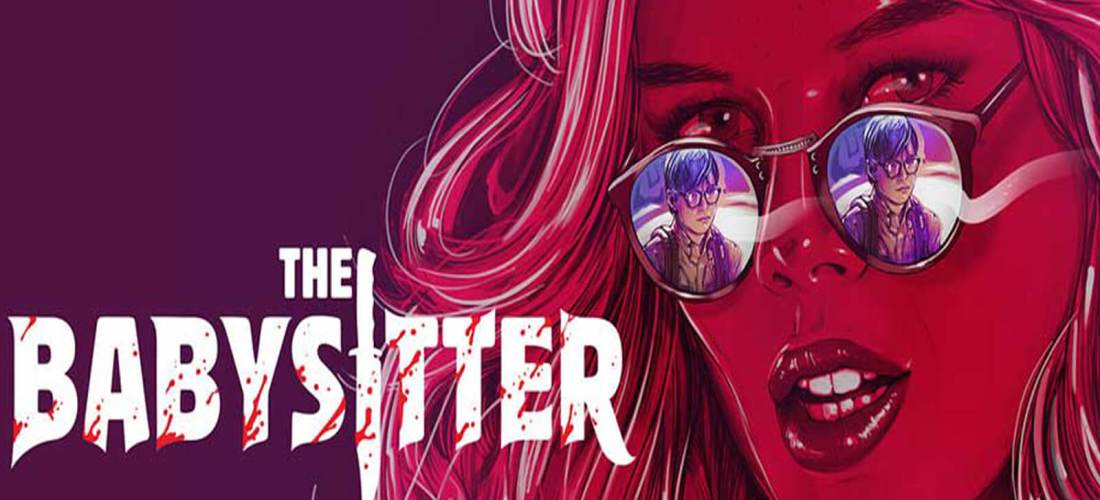
If Halloween, Kill Bill and Mean Girls all had a baby together, it would probably be The Babysitter (2017). This film has the punch of Tarentino, the other-worldly gore of Carpenter and the sheer bitchy wit of Tina Fey. And I am here for every single second of it.

The Babysitter knows exactly what it is – it never attempts to stray from the path and become something that it so clearly is not. This movie is utter stupidity wrapped into a hyper-stylised, candy-coated aesthetic. It is a series of juvenile punchlines, timely comedic cuts and intermittent bursts of blood and guts. To summarise: this movie is so much and yet so little. Director McG managed to transform an incredibly simple, familiar plot (satanic worship and sacrifice are hardly new to the world of cinema) into a hilarious, Scream-esque parody of itself and its own genre.

Setting a film about devil worship, blood sacrifice and reckless murder within a teenager’s universe will never cease to be genius. It opens up the opportunity to insert levity and humour into an otherwise incredibly dark topic. The naivety and outright dimness of the young characters perfectly epitomises/reflects the stupid decisions that all teenagers eventually make during their adolescence. But this film hyperbolises that to the extreme. Where one teenager’s silly mistake may be getting caught smoking a joint in the school bathroom, these teenagers become involved with good old Beelzebub himself, selling their soul to the one person that truly grants no returns or refunds. We’ve all been through detentions and groundings, but not all of us have had to face an eternity of damnation in hell.

This film exaggerates every single element – the colour palette is bright and loud (makes you feel almost manic or drugged at certain points); the scene cuts are abrupt and unexpected; the camera angles are unstable and dynamic; freeze frames, deafening rock music and Tarantino-esque text inserts/captions constantly confuse the distinction between the film’s diegesis (aka the fictional film’s reality) and the audience’s world, thus almost breaking the fourth wall.

And finally, every character is an absolute archetype. The Babysitter does not shy away from stereotypes, in fact, it bathes and stews in them, eliciting every last ounce of comedy out of them. You have the cowardly middle schooler stuck in a limbo between childhood and adulthood, you have the cooler-than-thou, badass babysitter whom the middle-schooler idolises, you have the jock that literally never puts on a shirt, you have the vapid, vain cheerleader, the sassy black man. You have it all. Every joke ends at just the right time – the pace never slows and no joke is drawn out too long to become dull or offensive. Before you know it, you are onto the next ridiculous, bloody scene.

Did I learn anything new from this film? No. Did I feel as if I were witnessing cinematic gold? Not really. Was I thoroughly engaged throughout its entirety? Hell yes. This film doesn’t pretend to be a terrifying horror or a clever, sophisticated comedy. It serves its exact function and that is to just be a goofy, unrealistic, gratuitously violent satire of all the quintessential high-school and slasher films out there. It is the happy love-child of two extremely different genres. You’ll want to laugh and throw up at the same time. And it feels great.

Deep Blue Sea: Bigger Doesn’t Mean Better

Blog

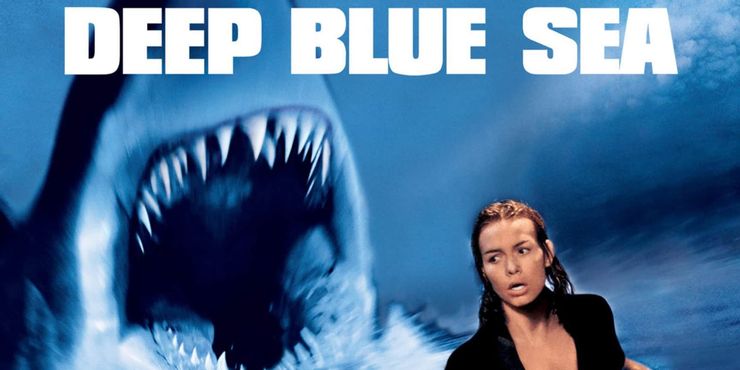
Shark creature features can be both really entertaining and terrifying, especially if you’re a sufferer of Thalassophobia (an intense fear of the open ocean). Despite my general love of beaches and the sea, I will definitely admit that the expansiveness and vast ‘unknown’ of the ocean floors disturbs me. I also have a serious fear of sharks. So, naturally, I try to watch as many shark horrors as I can because I love torturing myself whilst maintaining a safe distance from the action on-screen. Deep Blue Sea (1999) has fast become one of both the worst and best shark films I have seen to date.

Watching a creature feature is one of the most cathartic film experiences in my opinion. No one would be able to remain calm or un-phased if some giant crocodile, shark or snake was hunting them down. So watching actors in a film navigate that exact, inescapable, seemingly impossible situation injects us with adrenaline and then rewards us with relief as the protagonist (inevitably) survives. We get all those happy hormones without having to do any of the actual work. Deep Blue Sea promises you that adrenaline/relief package but also promises you some good ol’ laughs.

If we’re looking at it objectively, it’s a shit movie. The premise is flimsy beyond belief (they are genetically modifying sharks by increasing their brain mass [and hence their intelligence] in order to try reverse the neural degeneration caused by alzheimers… Ok), the acting is severely forced and the sheer number of plot-holes or technical impossibilities throughout (like when the shark manages to break through the glass of the testing facility with a human body on a stretcher… that glass was created to withstand deep ocean pressure and the shark broke it with a meaty human body and next to no proper momentum) are both frustrating and laughable.

But all of these factors merely add a ridiculous (supposedly unintentional?) degree of levity to an otherwise classic shark-attack piece. The humour is quite welcome as it offers temporary respite from the scenes that actually do fill you with dread and suspense (like when Jim Whitlock, so close to salvation, falls to his death from the rescue helicopter). But I understand that not everyone would appreciate the kind of comedy that only appears as a result of a film failing to be what it initially set out to be. Irony isn’t everyone’s cup of tea, after all.

I will say that I appreciate how The Deep Blue Sea chose to manage world-renowned actor, Samuel L. Jackson. They manage him by killing him off. Just like that. You think he’s going to be the sole-survivor, the saviour, the fearless leader of the group. But just as he presents his encouraging speech, he is suddenly chomped up from behind by one of the giant ‘iSharks’. His death is both so unexpected and lacklustre that I had to laugh. There is barely any theatrics associated with his tragic demise – he is merely eaten whole by the shark and the group then moves on to focus on their own survival. You literally don’t hear of him or think of Sammie again. This was such a clever tactic – they reel you in with the face of a well-known celebrity, tease you with just enough dialogue and screen-presence and then, BAM, kill him straight off with no apologies or remorse. They save money (Sammie can’t be cheap), they shock the viewers and they prove to the world that they don’t bow down to any celebrity or Hollywood. When supposed ‘Einstein’ sharks are involved, they play by their own rules.

Despite that impressive turn of events, the rest of the film was pretty mediocre. Clearly a moral tale, encouraging people against the manipulation and enhancement of ‘God’s natural, beautiful living creatures’, it is somewhat patronising to watch since every single concept is completely spelled out for you through stunted acting. Killing off the doctor at the very end of the film was a clear case of the ‘sinner’s punishment’ and I really didn’t feel it necessary. I don’t need to be spoon-fed the moral of a story (watch Get Out for an example of a moral tale done right).

Finally, I’m sick of shark films using straight, white men to fulfil the saviour narrative every time (I’m looking at you, Jason Satham). It’s overdone, predictable and dull. I want a badass woman of colour defeating three shark abominations. I want a 68 year old non-binary person blowing up the predator hunting them down. Call me when those films are made.

Creep: He’s Definitely a Creep

Blog

Patrick Kack-Brice’s independent found-footage psychological horror, Creep (2014), is certainly a wild ride. The film’s simplicity is its gift. Give a normal, run-of-the-mill filmmaker a camera, send him on a mysterious job for a man he has never met before way out in the woods and take away his car keys. With only those these components, the film is set up for some seriously disturbing turn of events.

I knew Mark Duplass primarily from The Morning Show and his character in Creep could not be further from his role as Fox news producer… It was strangely refreshing watching a somewhat well-known celerity who is not necessarily known for playing dark, ominous roles become a deranged serial killer before your very eyes. And oh does he do it well. As Josef, Duplass nailed the ‘he’s so nice, he must be a serial killer’ vibe. He oozes sweetness and quasi-childlike innocence and joy in the first half of the film. But the genius lays in the fact that that sticky sweetness never wavers, it never recedes. His serial killer tendencies are merely intertwined with his friendliness, he will hunt his pray with a virtuous smile on his face. He will axe a man in the head but still genuinely believe that he is his best friend. He is the very definition of nuts and you both see and don’t see it coming the whole time.

Obviously the found-footage style of the film imbues it with verisimilitude and a sense of immediacy that positions the viewer right beside poor Aaron, the unwitting (yet still clever) victim. The subjective point of view shots and the jerkiness of the hand-held camera help us to fall head-first into the frenetic, confusing and anxiety-inducing situation that is being trapped in a house with a man that has some unidentified psychological condition and a very creepy relationship with a disturbing wolf mask. You embody Aaron, you embody the camera, as they first track Josef’s false journey towards the acceptance of death and then eventually run from him and his extremely subdued, murderous rage (a very intentional and an extremely effective oxymoron right there – Josef really is somehow both so calm/serene and so unhinged all at the same time).

Another enjoyable aspect of the film is the realism behind Aaron’s character. He is not a useless victim. He is actually a capable, self-sufficient, responsible guy. He knows as soon as things start to go slightly awry that he needs to do whatever he can to find his car keys and escape. Unlike many victims in horror films, Aaron doesn’t exasperatingly go towards the danger, as if gravity is pulling him towards it uncontrollably. He doesn’t try to stick around and ‘investigate’. He doesn’t break down and cry only to slow down the process of his escape. No. Instead he actively attempts to protect himself and heightens his guard almost from the get-go. He even drugs Josef in order to reclaim his keys. This is a victim that you can finally truly pity and sympathise for because he isn’t a useless deer-in-the-headlights, he’s just a normal person that is rightfully wary of strangers and who chooses flight in the fight or flight debacle. Unfortunately, he still dies despite his best efforts. But he used sense, so we can actually feel for him.

I would watch Creep over The Blair Witch Project any day, to be honest. I understand the hype around the latter was predominantly due to the marketing of the film (they advertised it initially as if it were actual, genuine footage found and then released and not as a curated production), but let’s face it: not that much happens in The Blair Witch. It’s just a lot of heavy breathing and running through the woods. Creep actually humanises the killer so thoroughly that we create a connection with Josef. He makes you laugh, he makes you smile, you actually feel weirdly comfortable and uncomfortable around him. There is a really complex duality to his character that becomes abundantly clear when he starts stalking, harassing and ultimately killing Aaron. He is anything but a black and white character and you are exposed to that throughout the entire film instead of just watching the victims run around crying because ‘there’s something in the woods’. What happens in Creep could seriously happen in real life. It is not a ridiculous concept. And that is what is so downright horrifying about it.

The Amityville Horror (1979): Life Before The Conjuring

Blog

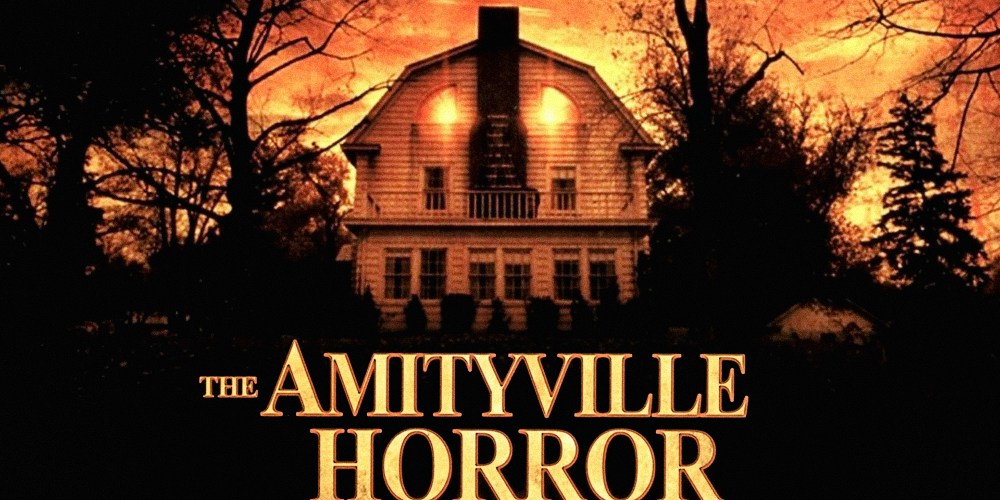
Critically, The Amityville Horror (1979) initially received a fair bit of negative attention – Roger Ebert labelled it dull and uneventful, in fact. Film critics couldn’t seem to get on-board with the relatively slow pace of the piece, despite its massive commercial success with the ‘middlebrow’ masses. I choose to deviate from the general consensus reached by the judges of the silver screen. I’m not sure if it was the nostalgia of a romanticised era unknown to myself personally or whether the soundtrack carried me happily through the entirety of the plot. Regardless of the reason, I think The Amityville Horror is a key film to watch when traversing the history of the horror tradition.

The Amityville Horror is, on the surface, a quintessential haunted house picture. The Lutz family moves into a large Long Island lake-house, knowing fully well of the house’s history (which saw a deranged man kill his very own family members as they innocently lay in their beds). Choosing not to be superstitious people, they buy the house at a great price… And end up paying a far greater price for it. Replete with doors mysteriously opening by themselves, unexplainable temperature changes and members of the clergy being physically rejected and expelled by the house, there is nothing particularly pioneering about this film. And yet I was captivated.

Lalo Schifrin’s haunting soundtrack never loses effect – it becomes the defining motif of the whole movie, acting as an impressive indicator for each turning point in the family’s journey towards their doomed fate in the house. The score resembles the sounds of a children’s choir, its timbre so pure, rich and innocent. This innocence juxtaposes so perfectly with the terror accumulating on-screen that it sends shivers down your spine at double-speed. You will come to learn that I am a sucker for polyphonic soundscores – anything that contrasts sharply with the actual plot or themes of a film is fine by me.

Now yes, the special effects were in no way special – the scene where the red-eyed pig stares menacingly out the attic window is so far from scary that it’s just outright ludicrous. But this film was produced in the late ’70s so let’s cut it some slack. Yes ok, technically not that much happens in the film. But how do you think a haunting would actually happen? As much as everyone seemed to froth over The Conjuring, I’m not sure if that is actually a very realistic representation of how a haunted house would actually play out in reality. I think it would be more subtle, gradual, confusing and abstract, just as it is in Amityville. There are no tangible ghouls, demons or ghosts (other than the pig, but I choose to ignore that very brief addition). There is just a house – a house personified by the almost eye-shaped windows and the light reflecting off its surfaces at dusk, rendering it a glowing, insidious inanimate force. What we can’t see, we can’t control. That is a concept of horror that will remain with you for far longer than a demon jump-scare moment which is only really temporarily frightening. Sometimes you can’t define evil and as humans we do anything we can to reject that notion. But Amityville meets it head-on with gusto.

If you can forgive the (relatively infrequent) instances of hilarious effects gone wrong and the slower nature of the piece, then you are free to appreciate the subtleties of horror injected into the plot. The gradual degradation of George Lutz, the father of the family, is so well-executed. Played by Josh Brolin, he goes from everything a stud ’70s dad probably looked like to a pale, scraggly, wild-eyed neanderthal lookalike as the house takes a hold of his mind, slowly wringing out his last drops of sanity. It gave me serious Shining vibes, especially with all the scenes where he is using an axe to chop firewood – I half expected him to end up chopping down a bathroom door, chanting “here’s Georgie!”. Alas, Amityville decided to remain true to its own original tale, leaving George a victim of the house as opposed to a pawn used by the house to carry out its evil supernatural aims. I thoroughly appreciate the homage though.

Perhaps the film does run on slightly longer than is necessary. Perhaps Stuart Rosenburg could have cut out a few scenes with the flies in the sewing room (although I can’t tell you how much I loved how much of the abject they threw into this film – flies, decay, sickness ends up pervading the house. It is a house imbued with liminality and everything ‘outside’ of our clean selves. It is a house the Lutz’s physically need to expel themselves from in order to centre themselves back into a stable, ordered reality. Tell me that isn’t great). But at the end of the day, I don’t care that this film took its time to build a universe which is believable and palpably horrifying in intricate, nuanced ways. They also saved the dog. Finally there is a horror film where they save the dog. That has to give it approximately 1000 extra points.

Moonlight: Intersectional Beauty

Horror-Time Out

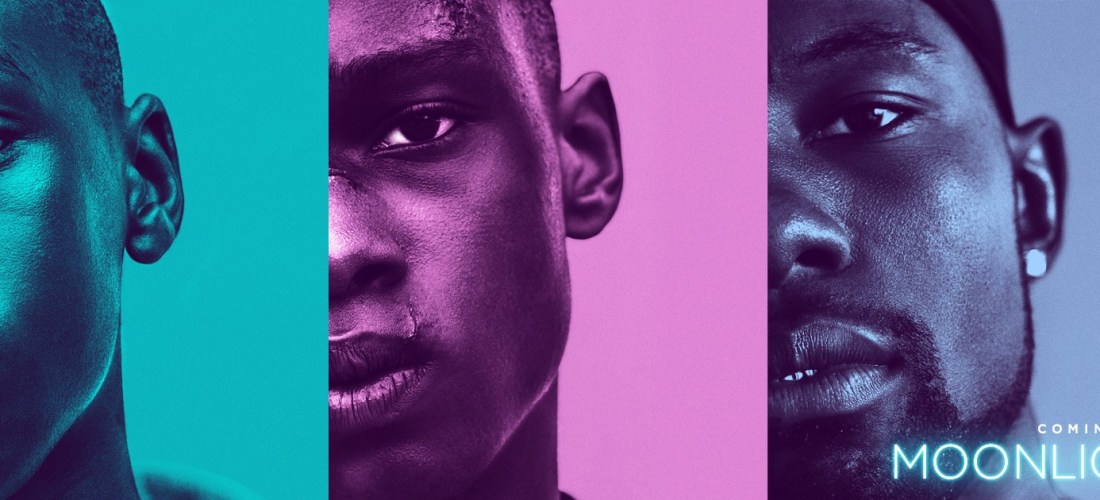
There is probably not a lot I could say about Moonlight (2016) that would be new. Its critical acclaim is vast and comprehensive, as exemplified by its 2017 Oscar for Best Picture (we’ll ignore the La La Land snafu for now…) so you don’t need me to sit here and write about why this is such an incredible film. But I’m going to do it regardless because this film deserves endless applause.

It took me an embarrassingly long time to finally watch Moonlight. It was the classic situation where there is so much build-up, so much hype for a film that it gets to a point where you become too afraid to actually see it, in fear that it will never be able to live up to the incredibly high standards you have established in your mind from word of mouth. But I decided to take the risk and watch it after years of waiting and I can safely say that I did not experience even a pinch of disappointment. I cannot thank Barry Jenkins enough for portraying a character we so rarely encounter in cinema. Moonlight is a masterpiece that reflects the intricacies of a true experience, an experience that is extremely nuanced and hardly ever represented on the silver screen. The film seems to bleed authenticity. Somehow so painfully realistic whilst simultaneously hyper-stylised, this piece depicts both the mundane and the extraordinary experiences in life, experiences that are so personal to the individual and yet collectively felt at the same time.

Jenkins depicts the classic three act structure of life: childhood, adolescence and adulthood. This holy trinity is by no means new and yet feels so reinvigorated and refreshing in Moonlight. The progression of Little/Chiron/Black is symbolic, realistic and aesthetic. But ultimately it is tragically sweet. A lost boy becomes a lost man, slowly finding his way towards his truth – a journey we all must eventually embark upon in life. The film demonstrates how we carry both our demons and our gods with us – that which we fear and that which we idolise come to be the very tenets that define our identities. For Black, his identity is profoundly intersectional. Growing up lower-class, black, gay and fatherless, Little/Chiron/Black is born into adversity as life continues to attempt to trap him within rigid labels, social categories and expectations. As long as he struggles to find the parallels between each of the intersections of his being, he will remain fragmented and broken. He must accept each individual part of himself before he can accept and love the whole.

Far beyond being a beautiful, captivating bildungsroman, this film is a journey of self-discovery that deviates so wonderfully from every other coming-of-age title. While watching it, I was in a constant state of awe as a result of the aesthetic cinematographic choices, emotionally stimulated by the operatic, often polyphonic sound-score and on the verge of tears from the ‘realness’ that burst from every line and facial expression. “I cry so much, sometimes I feel like I’mma turn into drops,” Chiron said, after which his friend, Kevin, says, “and just roll out into the water, right?”. These two lines alone effectively summarise this film’s heart. Growing up, finding ourselves, navigating our messy, complicated world are such difficult experiences that so often leave you feeling helpless and alone, a mere element of the Earth that will be consumed and re-introduced into the earth, air or water. Jenkins subverts so many pre-conceived notions of masculinity, showing us that men can be as nuanced, gentle, emotional and expressive as any other. I can’t count the number of stereotypes deconstructed in Moonlight. And it is about damn time cinema attempted to veer away from archetypes and tropes.

Visually and auditorily soothing, Moonlight is brilliantly therapeutic for any viewer. Its gentle pacing and structured form encourages you to take its hand as it guides you along the life of a troubled, yet gorgeously unique and multifaceted man. Through learning about Little/Chiron/Black, you learn about yourself and who you were as a child, as an adolescent and now as an adult; which demons and gods you have carried through into maturity; how layered your own identity is and how those layers intersect. We struggle alongside Little/Chiron/Black and in doing so we become united. We become a strong, nuanced collective. We persevere. We grow.